
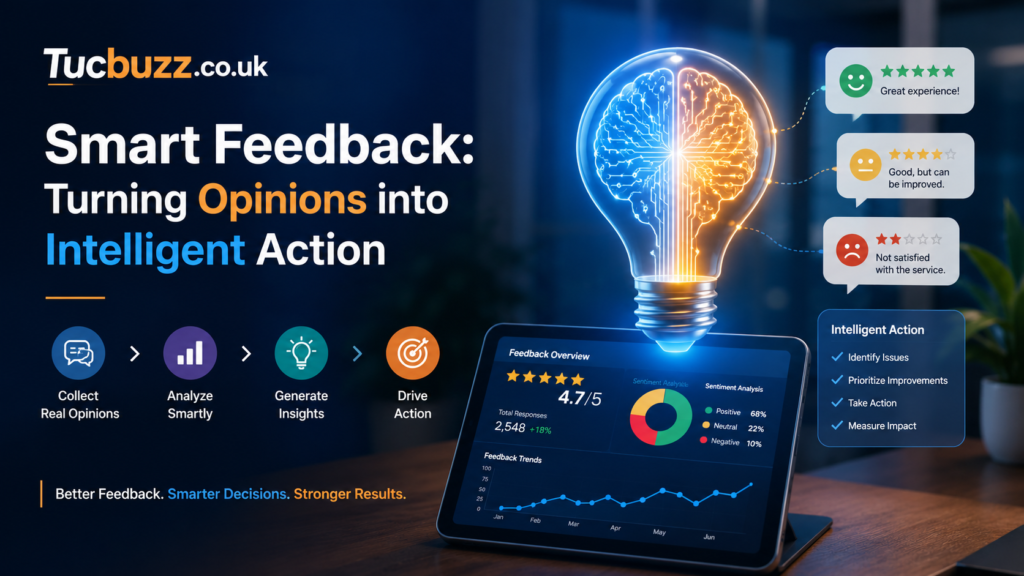

Smart feedback refers to the modern, technology-driven approach of collecting, analyzing, and using customer or user opinions through artificial intelligence, automation, and real-time data processing. Unlike traditional feedback systems that rely on manual surveys or static reviews, smart feedback transforms raw opinions into actionable insights that businesses can immediately use. It is not just about collecting responses but understanding meaning, emotion, and intent behind those responses.
In today’s digital economy, smart feedback has become essential for businesses that want to stay competitive. Customers interact with brands across multiple channels—websites, apps, social media, and support systems—and each interaction generates valuable data. Smart feedback systems unify this scattered information and convert it into structured insights. This allows companies to understand customer expectations more accurately and respond faster than ever before.
Another important aspect of smart feedback is its role in decision-making. Instead of relying on outdated reports or guesswork, organizations can use real-time insights to guide product development, customer service improvements, and marketing strategies. This shift from reactive to proactive decision-making is what makes smart feedback a powerful tool in modern business environments.
Understanding How Smart Feedback Works
Smart feedback works by combining multiple technologies such as artificial intelligence, machine learning, and natural language processing (NLP). These technologies help systems understand not only what users are saying but also how they feel and what they actually mean. For example, a customer saying “The app is okay but too slow” is analyzed not just for content but also for negative sentiment regarding performance.
Data collection is the first step in this process. Smart feedback systems gather input from surveys, online reviews, chatbot conversations, social media posts, and in-app behavior. This data is then cleaned and organized for analysis. Unlike traditional methods, this happens continuously and in real time, allowing businesses to respond quickly to emerging issues or opportunities.
Once the data is collected, AI models analyze it for patterns, sentiment, and trends. These systems can identify recurring complaints, measure customer satisfaction, and even predict future behavior. The result is a feedback loop where insights are continuously fed back into the system to improve products, services, and user experience.
Key Components of an Effective Smart Feedback System
A successful smart feedback system relies on several core components working together seamlessly. The first is data accuracy. If the collected data is incomplete or biased, the insights generated will also be unreliable. Therefore, businesses must ensure they gather feedback from diverse and relevant sources.
Another critical component is natural language processing (NLP), which allows systems to interpret human language in a meaningful way. NLP helps identify tone, sentiment, and context, making it possible to understand complex customer emotions beyond simple ratings or scores. This is especially useful in analyzing open-ended feedback.
Integration is also essential. Smart feedback systems must connect with tools like CRM platforms, analytics dashboards, and customer support software. This integration ensures that insights are not isolated but directly used in decision-making processes. Additionally, automation plays a key role in triggering actions based on feedback, such as sending alerts or initiating customer follow-ups.
Finally, privacy and security must be prioritized. Since feedback often contains sensitive information, businesses must comply with data protection standards and ensure transparency in how data is used. Trust is a crucial factor in encouraging users to provide honest feedback.
Benefits of Smart Feedback for Businesses
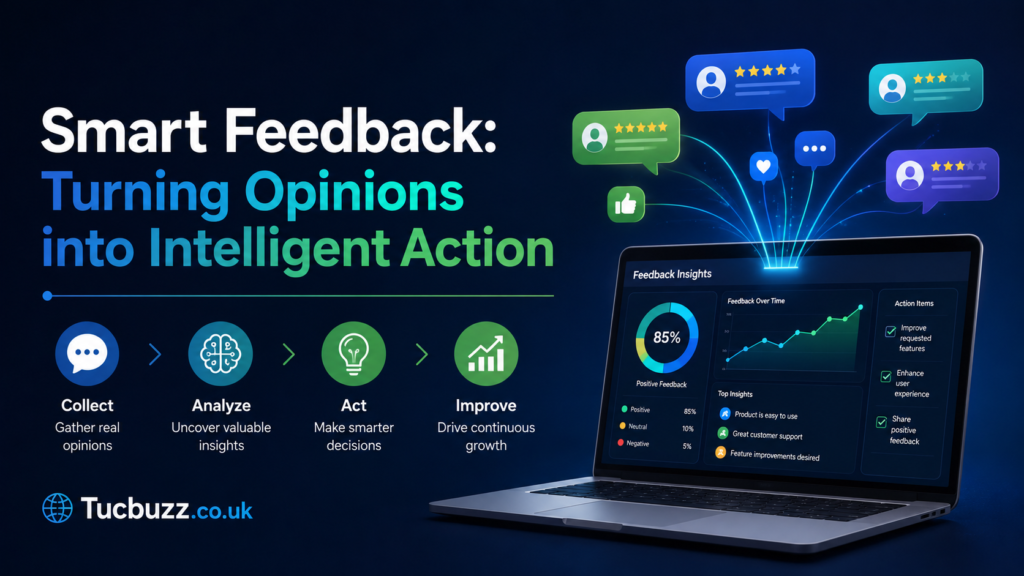
One of the biggest advantages of smart feedback is the improvement in customer experience. By understanding customer needs in real time, businesses can quickly resolve issues and provide more personalized services. This leads to higher satisfaction and stronger customer loyalty over time.
Smart feedback also significantly enhances decision-making. Instead of relying on assumptions, companies can use data-driven insights to guide their strategies. This reduces risks and improves efficiency across departments such as marketing, product development, and customer service.
Another important benefit is faster innovation. By continuously analyzing feedback, businesses can identify gaps in their offerings and develop new features or services accordingly. This creates a cycle of continuous improvement that keeps companies competitive in fast-changing markets.
Additionally, smart feedback improves employee performance by providing insights into internal processes and customer interactions. It helps organizations identify training needs and optimize workflows, ultimately increasing productivity and efficiency.
Smart Feedback Use Cases Across Industries
Smart feedback is widely used across multiple industries due to its versatility. In e-commerce, it helps businesses analyze customer reviews, track product satisfaction, and optimize user experience on websites and apps. Retailers can quickly identify product issues and adjust inventory or marketing strategies accordingly.
In the SaaS (Software as a Service) industry, smart feedback plays a crucial role in product development. Companies use it to track feature usage, detect bugs, and understand user behavior. This allows for continuous updates and improvements based on real user needs.
Healthcare is another sector benefiting from smart feedback systems. Hospitals and clinics use patient feedback to improve service quality, reduce wait times, and enhance overall care experiences. Similarly, educational institutions use feedback systems to evaluate teaching effectiveness and improve learning outcomes.
Hospitality businesses such as hotels and restaurants rely heavily on smart feedback to maintain service quality. Real-time reviews and ratings help them address customer concerns immediately, ensuring better guest satisfaction and reputation management.
Challenges and Limitations of Smart Feedback
Despite its advantages, smart feedback is not without challenges. One of the major issues is data overload. With so much feedback coming from different sources, it can be difficult to filter meaningful insights from irrelevant information. Without proper systems in place, businesses may struggle to manage this complexity.
Another challenge is bias in data interpretation. AI systems are only as good as the data they are trained on. If the input data is biased or incomplete, the insights generated may be inaccurate or misleading. This can negatively impact business decisions if not carefully monitored.
Implementation costs can also be a barrier, especially for small and medium-sized businesses. Setting up advanced AI-driven feedback systems requires investment in technology, tools, and skilled personnel. Additionally, organizations may face resistance to change from employees who are used to traditional methods.
Ensuring transparency and maintaining user trust is another critical challenge. Customers need to know how their data is being used and feel confident that their privacy is protected. Without this trust, businesses may struggle to collect honest and useful feedback.
Best Practices for Implementing Smart Feedback
To successfully implement smart feedback, businesses must start with clear objectives. Defining what they want to achieve helps in selecting the right tools and strategies. Whether the goal is improving customer satisfaction or optimizing product performance, clarity is essential.
Choosing the right feedback channels is equally important. Businesses should collect data from multiple touchpoints such as websites, apps, emails, and social media platforms. This ensures a more complete and accurate understanding of user behavior.
Designing user-friendly feedback experiences also plays a key role. If feedback systems are too complicated or time-consuming, users may not participate. Simple and engaging interfaces encourage more honest and frequent responses.
Finally, businesses must act on the insights they collect. Gathering feedback without implementing changes reduces its value. Continuous monitoring and optimization ensure that smart feedback systems deliver long-term benefits.
The Future of Smart Feedback
The future of smart feedback is closely tied to advancements in artificial intelligence and predictive analytics. Instead of simply analyzing past behavior, future systems will predict customer needs before they are expressed. This will allow businesses to deliver proactive solutions.
Hyper-personalization is another emerging trend. Smart feedback systems will enable companies to tailor experiences for individual users based on their preferences, behavior, and emotional responses. This will significantly enhance customer engagement.
Voice and video feedback analysis will also become more common. As technology evolves, systems will be able to interpret tone of voice, facial expressions, and visual cues, providing deeper insights into customer sentiment.
In the long term, smart feedback will become fully integrated into business intelligence systems, allowing organizations to make faster, smarter, and more automated decisions.
Conclusion
Smart feedback represents a major shift in how businesses understand and respond to customer opinions. By combining AI, automation, and real-time analytics, it transforms simple feedback into powerful, actionable insights. This not only improves customer experience but also drives innovation, efficiency, and growth.
As industries continue to evolve, adopting smart feedback will no longer be optional—it will be essential for staying competitive in a data-driven world. Businesses that embrace this approach early will gain a significant advantage in understanding their customers and shaping better experiences.
You may read: The Bitter Housewife