
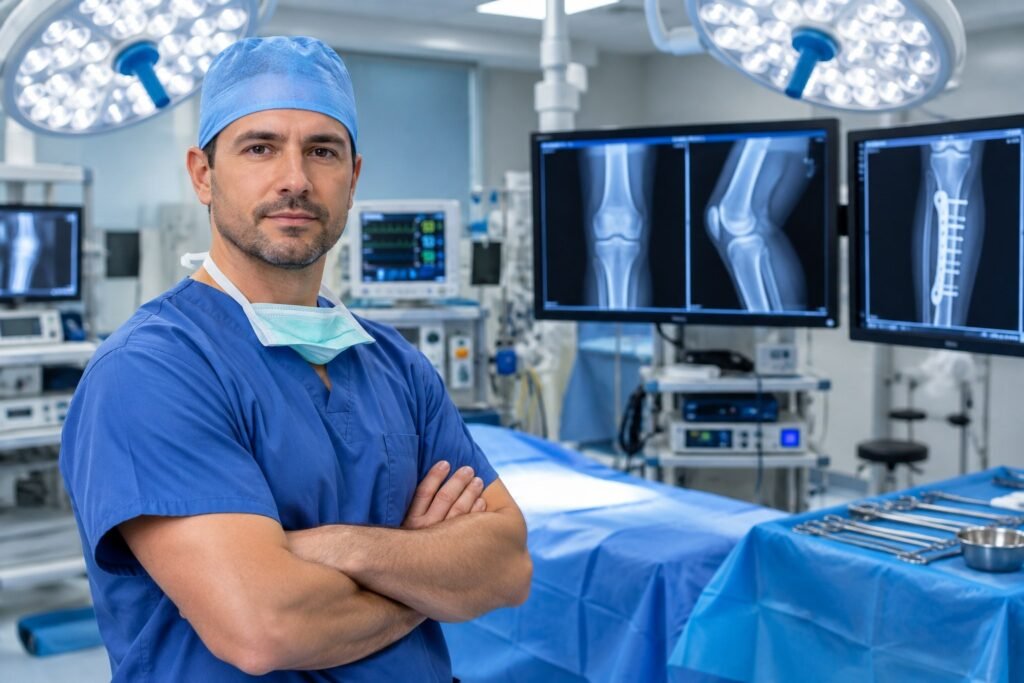

A closer look at the career of a Los Angeles-based orthopedic surgeon known for tackling some of the field’s most complex cases.
Introduction
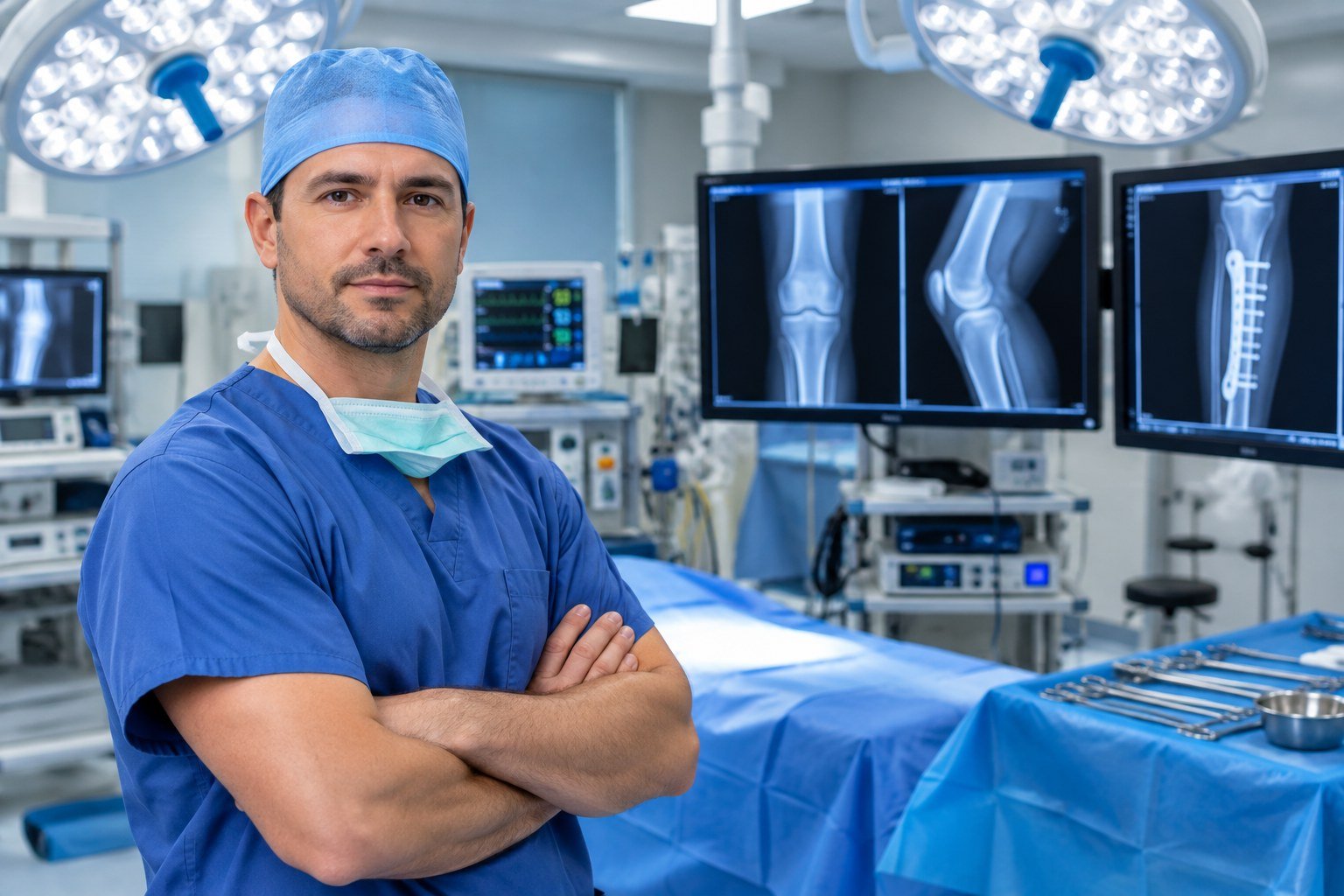
Few surgical specialties demand the breadth of skill required in orthopedic oncology, where treating rare bone and soft-tissue tumors calls for precision, judgment, and a deep understanding of the musculoskeletal system. Dr. Daniel C. Allison has spent his career at the center of this challenging field, building a reputation in Los Angeles for advanced joint reconstruction, complex revision surgery, and the treatment of musculoskeletal tumors.
Education and Training
Dr. Allison’s academic path began at Southern Methodist University, where he earned a bachelor’s degree in biochemistry, graduating cum laude. He went on to pursue combined graduate training, completing his medical degree at Baylor College of Medicine alongside an MBA in Healthcare Administration from the Rice University Graduate School of Management.
His postgraduate training took place at the University of Southern California (USC), where he completed a combined internship in orthopedic and general surgery, followed by an orthopedic surgery residency. He then pursued a fellowship in musculoskeletal oncology at the Keck School of Medicine at USC, sharpening the specialized expertise that would come to define his practice.
Clinical Focus and Expertise
Today, Dr. Allison practices in Los Angeles, where he holds academic and clinical roles including Assistant Professor of Surgery and Assistant Director of Orthopedic Oncology at Cedars-Sinai Medical Center, as well as an appointment as Associate Clinical Professor of Orthopedic Surgery at USC. He also holds a leadership role at Children’s Hospital Los Angeles.
His clinical practice centers on malignant conditions of the musculoskeletal system, including soft-tissue and bone sarcomas, metastatic bone cancer, and invasive skin cancers affecting the back, pelvis, shoulder girdle, and extremities. Beyond oncology, he is recognized as a revision specialist, stepping in when prior joint replacements fail, and he has served as the surgeon-designer behind several primary and revision joint replacement implant systems.
Dr. Allison is also known for his work with the direct anterior approach to hip replacement, a minimally invasive technique that has grown in popularity for its faster recovery profile. He holds a U.S. patent for a retractor system designed to make this approach easier for surgeons to perform, and he has worked to train other surgeons in the technique.
Academic Contributions
Alongside his clinical workload, Dr. Allison has contributed to the broader orthopedic community through research and education. He has authored numerous peer-reviewed journal articles and several book chapters on orthopedic surgery topics, and he is a frequent guest speaker at orthopedic society meetings, where he presents on musculoskeletal conditions and surgical techniques.
Military Service
In addition to his civilian medical career, Dr. Allison serves as a Commander in the United States Navy Reserve. His service has included deployment to Iraq in 2018 as part of Operation Inherent Resolve, reflecting a commitment to medicine that extends beyond his Los Angeles practice.
A Philosophy of Patient-Centered Care
Across his practice, Dr. Allison has described his approach to medicine as treating every patient with the same care he would offer a family member. Given the rarity of many of the conditions he treats, patients often arrive after being told there are few specialists equipped to help them. His focus on musculoskeletal reconstruction aims to restore not just function, but quality of life, for people facing some of the most difficult diagnoses in orthopedics.
Conclusion
From his rigorous academic training to his ongoing military service, Dr. Daniel C. Allison’s career reflects a sustained commitment to advancing orthopedic oncology and joint reconstruction. His combination of surgical innovation, research contributions, and patient-centered philosophy has made him a respected figure among both colleagues and patients navigating complex musculoskeletal conditions.
This article draws on publicly available professional and institutional sources, including Cedars-Sinai, MemorialCare, NanoKnee, and related medical practice profiles.