
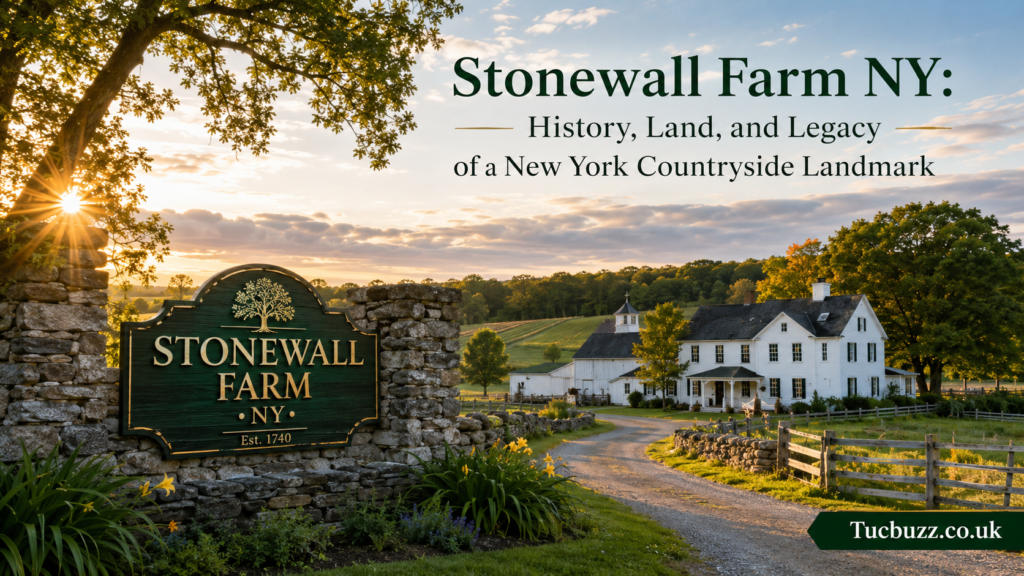

Stonewall Farm NY represents more than a stretch of rural land—it reflects the deep-rooted agricultural traditions and evolving countryside heritage of New York State. Farms like Stonewall Farm NY have long served as anchors of local identity, blending history, nature, and community into a single landscape. Over time, this farm has become a point of curiosity for historians, residents, and readers interested in rural New York landmarks.
As interest in sustainable living, land preservation, and local history grows, Stonewall Farm NY has gained renewed attention. People are increasingly drawn to places that tell a story—of land worked over generations, of families and communities shaped by agriculture, and of countryside spaces that resist rapid urban change. Stonewall Farm NY fits squarely into this narrative, offering insight into how rural properties continue to matter in a modern world.
This article explores Stonewall Farm NY in depth, covering its historical background, natural setting, agricultural importance, cultural influence, current status, and future outlook. Together, these elements reveal why Stonewall Farm NY remains a meaningful symbol of New York’s rural heritage and why its story continues to resonate today.
History of Stonewall Farm NY
The history of Stonewall Farm NY is closely tied to the broader development of agriculture in New York State. Like many historic farms, it likely began as a working agricultural property established to support early settlers and nearby communities. Farms such as Stonewall Farm NY were essential for producing food, sustaining families, and creating the economic foundation of rural regions.
Over the years, Stonewall Farm NY would have experienced periods of growth, adaptation, and change. Shifts in farming technology, market demands, and land ownership often influenced how farms operated. From hand-worked fields to more mechanized methods, the evolution of agricultural practices reflects the resilience and adaptability of farms like Stonewall Farm NY.
Beyond agriculture, the farm’s history is also a human story. Generations of farmers, caretakers, and landowners contributed to shaping the property. Their decisions—what to grow, how to manage the land, and whether to preserve or sell portions of it—helped define the farm’s identity. Today, this layered past adds depth and character to Stonewall Farm NY, making it more than just a parcel of land.
Location and Natural Setting
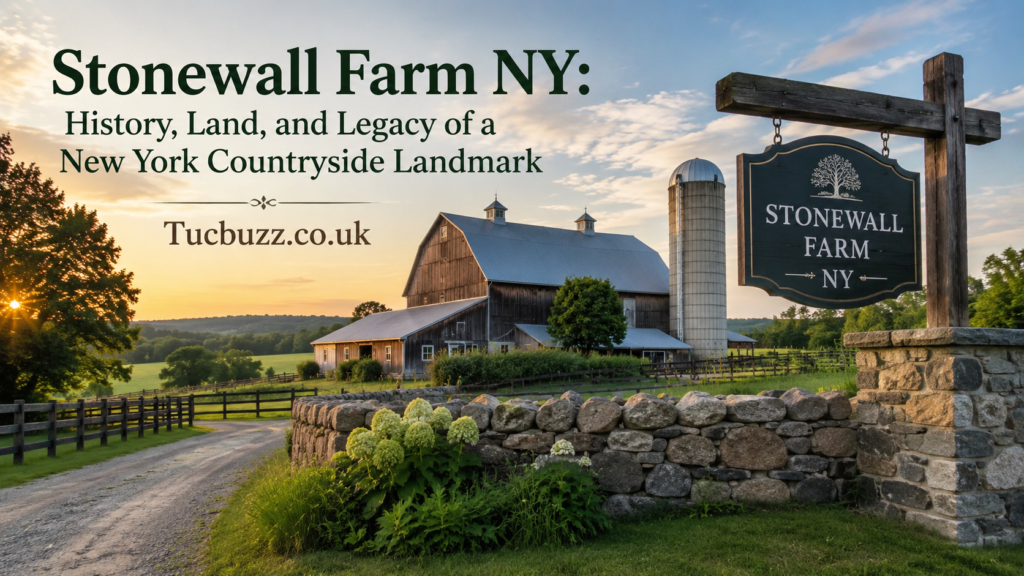
Stonewall Farm NY is set within a landscape that highlights the natural beauty of rural New York. Rolling fields, open skies, and surrounding greenery define the farm’s environment, offering a peaceful contrast to urban and suburban areas. The location plays a major role in the farm’s appeal, as natural surroundings often shape how land is used and valued.
The farm’s natural features likely include fertile soil, native vegetation, and seasonal changes that influence agricultural cycles. Spring planting, summer growth, autumn harvests, and winter rest all contribute to the rhythm of life at Stonewall Farm NY. These seasonal patterns reinforce the connection between the land and those who work or live near it.
Beyond aesthetics, the natural setting supports local ecosystems. Farms like Stonewall Farm NY often provide habitats for birds, small mammals, and beneficial insects. When managed responsibly, agricultural land can coexist with nature, supporting biodiversity while remaining productive. This balance between human use and environmental stewardship is a defining characteristic of well-preserved rural farms.
Agricultural Significance
Agriculture lies at the heart of Stonewall Farm NY’s identity. Historically, the farm would have contributed to local food production, supplying crops or livestock essential to nearby communities. In earlier times, such farms were vital for survival, providing not only food but also employment and economic stability.
As agricultural practices evolved, Stonewall Farm NY likely adapted to new methods and expectations. Changes in crop selection, equipment, and land management reflect broader trends in New York agriculture. Whether through traditional farming, diversified production, or more sustainable approaches, the farm’s agricultural role underscores its ongoing relevance.
Even if active farming has reduced or changed over time, the agricultural legacy remains significant. The land itself tells a story of cultivation and care, shaped by decades of use. This legacy reinforces the importance of preserving farmland, not just for production, but as a living record of rural life and agricultural heritage.
Cultural and Community Impact
Stonewall Farm NY holds cultural value beyond its agricultural function. Farms often serve as landmarks that help define a community’s character and sense of place. For local residents, Stonewall Farm NY may represent continuity—a familiar presence that connects past and present.
Community connections often develop around farms through shared memories, stories, and events. Even when not formally open to the public, a well-known farm can influence local identity, inspiring pride and interest in rural traditions. Stonewall Farm NY contributes to this cultural fabric by embodying the values of hard work, stewardship, and respect for the land.
Educationally, farms like Stonewall Farm NY offer opportunities to understand where food comes from and how land use shapes society. They remind people of the importance of agriculture in everyday life, even in an increasingly digital and urban world. This cultural impact helps ensure that rural heritage remains visible and appreciated.
Current Status and Usage
Today, Stonewall Farm NY exists within a modern context shaped by economic pressures, development interests, and conservation concerns. Its current use may differ from its original purpose, reflecting broader changes in rural land management. Some historic farms continue agricultural operations, while others shift toward private ownership, conservation, or mixed-use roles.
The balance between preservation and practicality is a key issue for properties like Stonewall Farm NY. Maintaining land requires resources, planning, and long-term commitment. Decisions made today will determine whether the farm remains intact, is partially developed, or is protected through conservation measures.
Despite these challenges, the continued recognition of Stonewall Farm NY suggests its lasting importance. Whether actively farmed or preserved for its historical and environmental value, the property remains a significant part of the local landscape and story.
Preservation and Future Outlook
Preservation plays a critical role in the future of Stonewall Farm NY. Across New York State, efforts to protect farmland and historic properties have increased as communities recognize their long-term value. Preserving farms helps maintain open space, supports environmental health, and safeguards cultural heritage.
The future outlook for Stonewall Farm NY depends on thoughtful land management and community awareness. Conservation easements, sustainable practices, and responsible ownership can help ensure that the farm continues to exist for future generations. These approaches balance progress with preservation, allowing rural landscapes to endure.
Looking ahead, Stonewall Farm NY stands as a reminder of what can be achieved when land is respected and valued. Its future, shaped by informed decisions and collective responsibility, holds the potential to inspire similar preservation efforts elsewhere.
Conclusion
Stonewall Farm NY is more than a rural property—it is a reflection of New York’s agricultural roots, natural beauty, and community values. Through its history, land, and legacy, the farm illustrates the enduring importance of rural spaces in shaping identity and culture. As interest in sustainability and preservation grows, Stonewall Farm NY continues to matter as a symbol of continuity in a changing world.
You may read: Giammaria giuliani